

 Currently unavailable for appointments

1
Choose how you want to work with your pro
Pick from our in-person and virtual options.

Christopher enjoys working with clients to get the most from their taxes and reach their tax-related financial goals. Like all H&R Block tax pros, Christopher stays sharp with an average of 32+ hours of training per year and is genuinely committed to getting you every dollar you deserve. Christopher specializes in investments, military, charitable giving and more.
Pick from our in-person and virtual options.
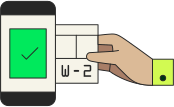
Take a pic of your tax docs and send to your pro online or through the MyBlock app.

Work with your tax pro in a tax office or connect via chat, phone, or video.
.svg)
Just review and approve your return when it's ready.
Select the office you’d like to make an appointment at:

Investment income can include buying low/selling high, stocks and bonds, and capital losses.

Members of the U.S. Armed Forces have special tax situations and benefits based on things like disability status and combat service.

Donations made to qualified charities can be deducted to reduce taxable income.

Rental income is taxed at standard income tax rates, but you can also deduct the costs of buying and improving a rental property.

Clergy have dual tax status as both employees and self-employed individuals. Since a church does not withhold taxes, clergy are responsible for paying taxes as self-employed people.

The estate tax involves the right to transfer property at one’s death. A trust allows a third party to hold assets on behalf of a beneficiary or beneficiaries, with various tax rules for income.

This usually happens when tax payers work across state lines or have lived in multiple states in a tax year.